
For finding permanent and intermittent faults on live cables
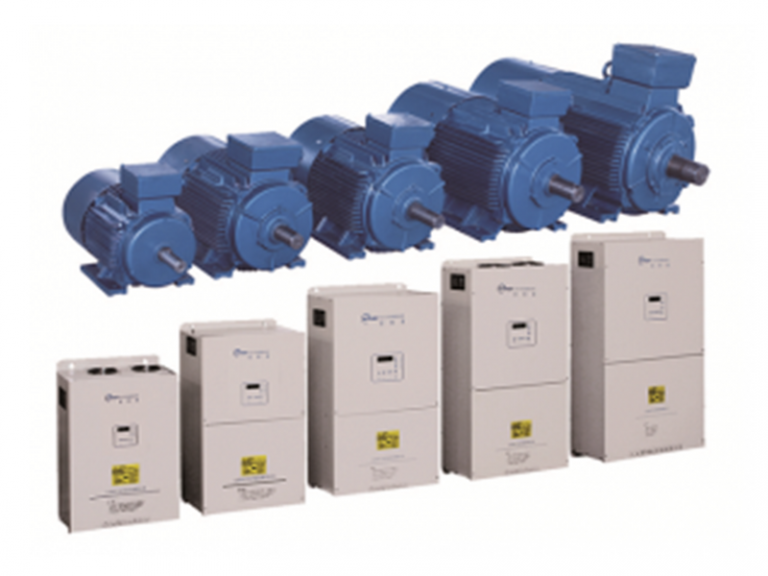
Switched Reluctance Motors and Drives can provide an effective alternative to induction motors in many situations
Switched Reluctance Motors and Drives can provide an effective alternative to induction motors in many situations where the operating conditions do not suit them. Disadvantages of these conventional induction motor based systems include:
The SRD is well suited to these situations, providing many advantages over the conventional approaches.
Typical applications include:
Textile machinery including: rapier looms, towel looms, etc.
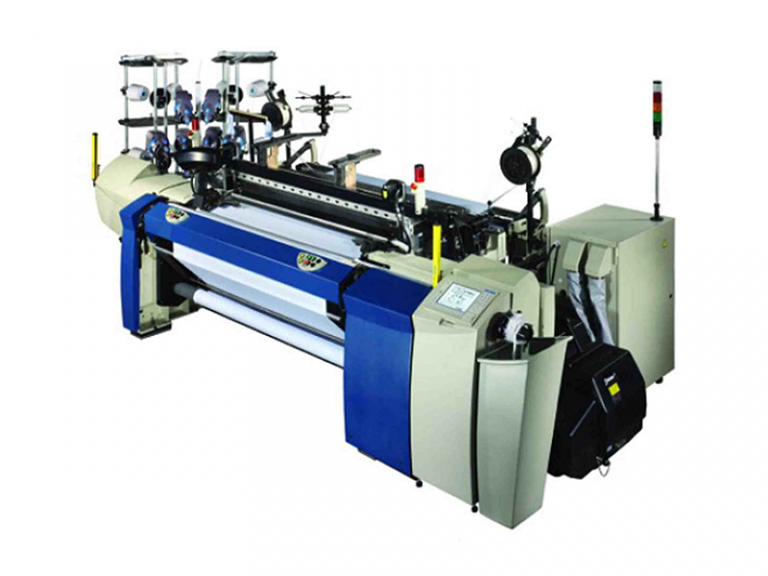
The switched reluctance motor features a low starting current and high torque, with a fast-dynamic response. It can deliver variable speed weaving and other enhanced weaving processes
The starting torque of the SMR for textile machine could be up to 5 times the rated torque. It has a very fast start time; under load the SMR can accelerate from standstill to rated speed within 200ms, making it particularly suitable for textile machines. The spindle motor is designed with a direct drive and the motor can reach the set speed within a single rotation of its spindle. It is not ideal to use fan-cooling in the textile industrial, as the air duct can become blocked by fluff in the atmosphere. To avoid this, the SRM has an external heat exchanger/radiator for cooling.
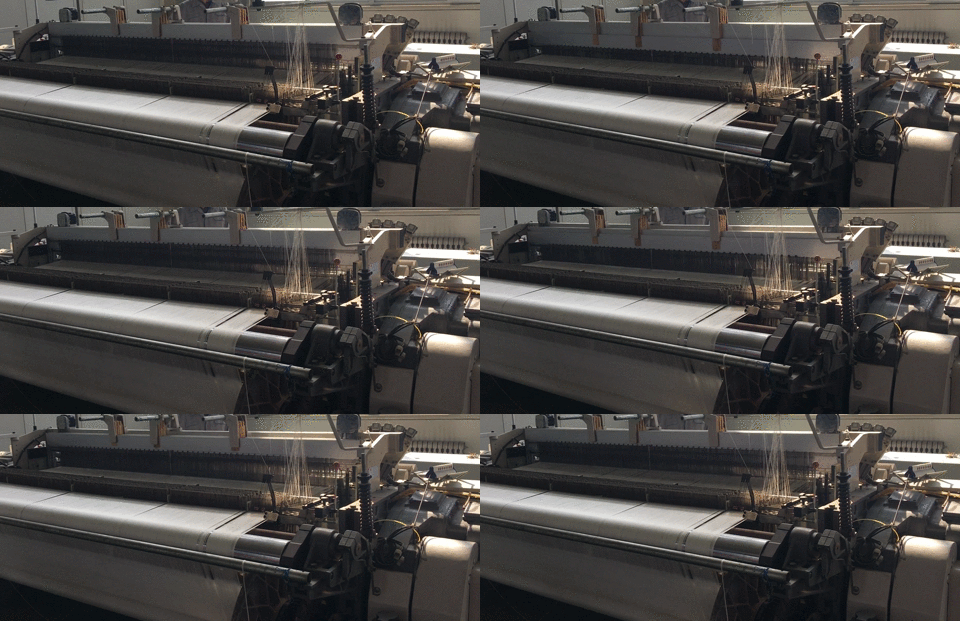
Including: vertical pumps, beam pumps, well testing machinery
Many oil fields are still using beam pumping units, otherwise known as Nodding Donkeys. Using these, electricity costs can account for more than 25% of the cost of oil production, and the stroke adjustment is not optimal. Due to increasing cost and lower revenue, reducing energy consumption is a high priority, so an energy efficient pumping unit can be very beneficial.
The switched reluctance motor speed control system can facilitate a long stroke pumping unit. The motor directly drives the oil rod moving it up and down by using its ability to readily reverse its direction, simplifying the transmission. The overall efficiency is greatly improved compared to the original pumping unit. This includes a maintenance-free motor, ideal for the harsh environment in many oil fields and which is simple to commission.
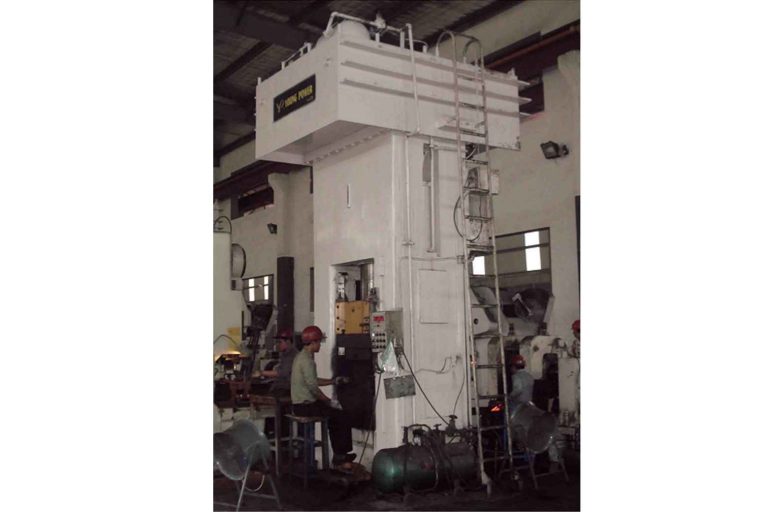
The electric screw press is a major challenge for motor drive technology. It is required to manage heavy loads, frequent starts, rapid braking and impact resistance The switched reluctance motor has a high starting torque coupled with a low starting current and can be frequently reversed, while providing the required fast braking. The rotor has no coil or permanent magnet and is immune to the load’s shock and vibration. Additionally, there is a direct drive which makes gear chains and clutches unnecessary, therefore increasing the efficiency of the system. The control system can be readily interfaced with a safety grating to help to ensure safe operation.
The energy usage, the force delivered and frequency of the press operations are all controlled by the controller programme, which is managing the motor speed and the frequency of its starting and stopping. As the energy and force of the press can be closely controlled, the press can produce products with a high level of accuracy.
The system is highly automated, reducing the need for operator interaction.
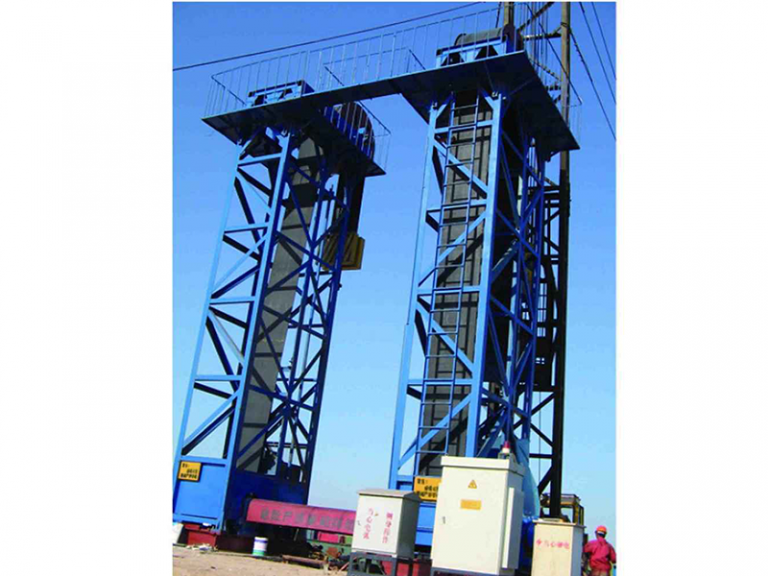
Including: shearers, conveyors, winches, boring machines, ball mills, coal crushers
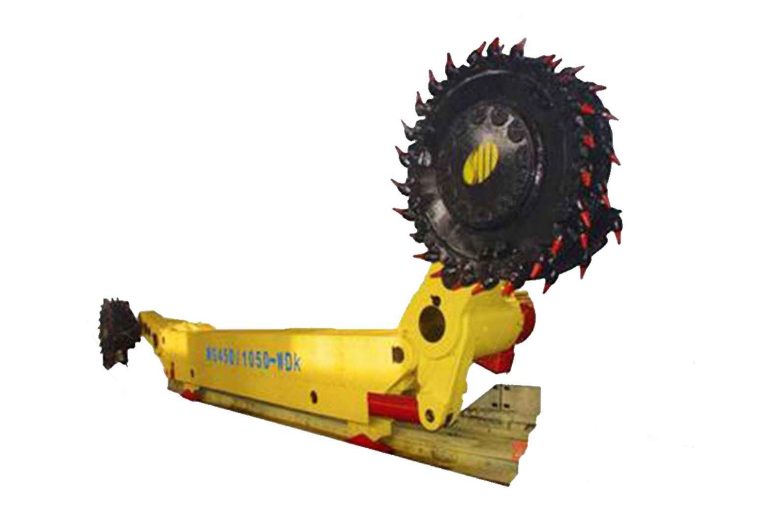
Switched reluctance motors are especially suitable for a variety of coal mining equipment, such as cutters, conveyors and coal ploughs. This type of motor provides a low starting current and a high torque (30% of rated current gives starting torque up to 150%). The simple winding-free rotor is ideal for high speeds and its mechanical strength is resistant to impacts, The stator has no overlapping windings, making short circuits unlikely.
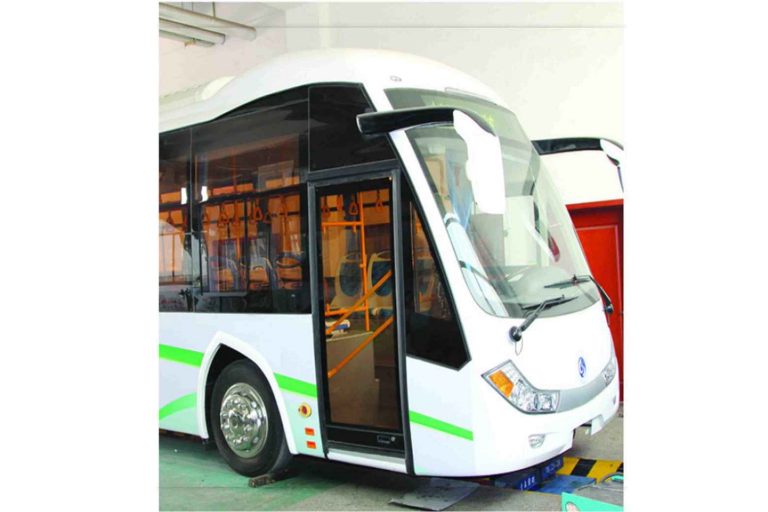
The low starting current, quick acceleration and extremely efficient direct drive associated with the switched reluctance motor make it ideal for electric vehicles as it minimizes the load on the battery and extends the driving range from a single battery charge. Its ability to cope with frequent starting, stopping and reversal is also beneficial for transport applications.